

Comedy talent and indies lobby for financial support
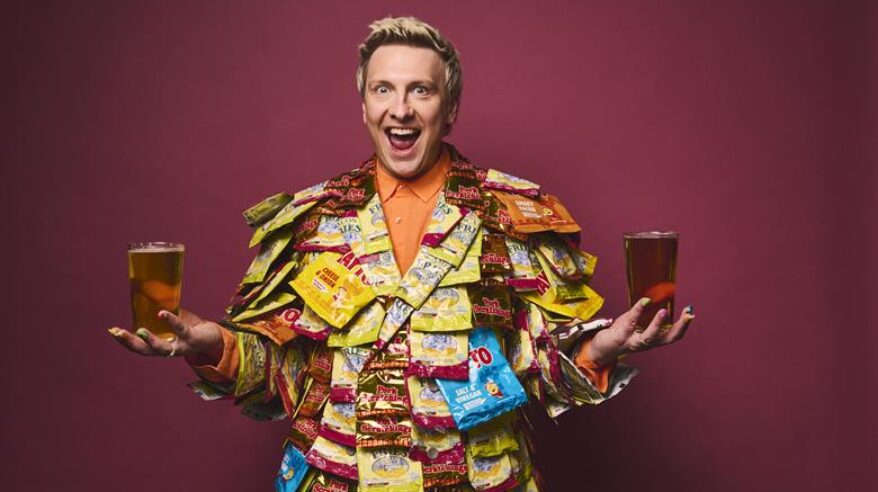
Joe Lycett and Sally Phillips, Hat Trick and Baby Cow bosses among those asking for measures including tax break reform
Luminaries have urged the government to formally back the comedy sector by introducing a string of measures to stimulate growth, including tax reforms.
Stephen Fry, Bill Bailey, Joe Lycett, Sally Phillips, Paul Whitehouse and Kerry Godliman are among more than 500 signatories of a letter to the Prime Minister sent by Craft – the Comedy Representation and Artform Trust.
Top comedy producers including Hat Trick’s managing director Jimmy Mulville and creative director Jon Petrie and Baby Cow chief executive Rupert Majendie have also signed Craft’s letter.
It has requested reform to the threshold of the Audio-Visual Expenditure Credit for film & TV in order that it encompasses comedy. It pointed out that the current HETV threshold of £1m per broadcast hour or £420,000–£450,000 per half-hour excludes mid-budget sitcoms, sketch shows, quiz formats and short-form animations – genres which are crucial for talent and format development.
Craft also wants the genre rules amended so that panel and entertainment formats would be eligible for such reliefs. The group has further requested that comedy be formally recognised as an artform for the first time, with Standard Industrial Classification.
The fact that the comedy is not currently classified in its own right, but absorbed into other artforms such as opera and theatre, means it remains unlisted or omitted from tax credits and reliefs and funding frameworks such as the Creative Industries Sector Plan and the Copyright and AI consultations, it said.
In the past 25 years, it added, comedy has received under £15m in direct public investment – an average of £576,000 a year, or just 0.003% of the £16.7bn distributed annual by the DCMS and national public funding agency UKRI.
“The UK’s top two comedy festivals delivered around £45m in net benefit to Britain in 2026. Comedy pays in through VAT, income tax, National Insurance, business rates and corporation tax — and it cannot draw out because it appears in none of the classifications, reliefs or frameworks that would let it,” said the letter.
Craft chair Lu Jackson said Britain cannot afford to continue ignoring comedy.
“Comedy has lifted Britain through hard times for centuries, and we’ve treated it like the funny friend we forget to check on: we thought it was fine. It isn’t. Comedy is a serious business ecosystem: trillions of views, billions in revenue, and millions in tax, from thousands of founders. Yet the financial benefits it brings are unattributed or mis-accredited to other recognised creative sectors.
“Almost nothing has been reinvested into comedy despite it paying in—it’s invisible in policy structures that were never designed to include it.”
Today (12 October), Craft will join the Comedy All-Party Parliamentary Group chair Richard Quigley MP for a meeting with Number 10 and the group will also hold a session in parliament on comedy in healthcare and education.
Share this Article