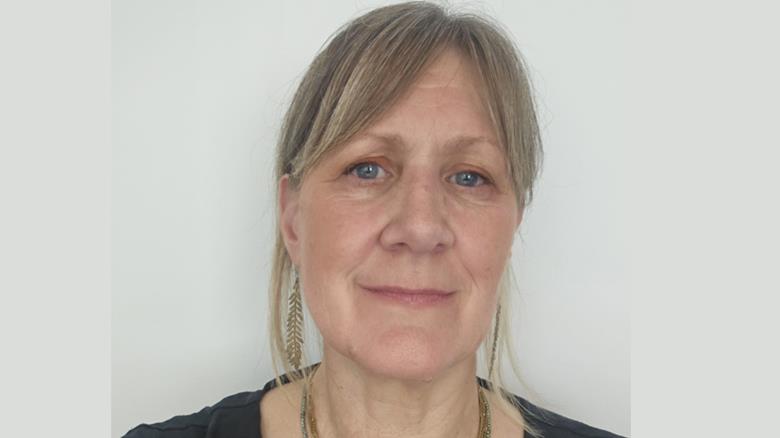


LumoTV calls for deaf-created BSL content

Chief executive Camilla Arnold’s comments follow finding that deaf viewers overwhelmingly prefer content created in sign language over translations
The chief exec of LumoTV, the platform for content that highlights the deaf community, has called on the industry to work with it on improving representation, after research found nine in 10 deaf UK viewers prefer content created in British Sign Language to sign-translated programming.
Speaking to Broadcast, Camilla Arnold urged broadcasters to go beyond the bare minimum in thinking about representation for deaf viewers, not just access through signed content – one of the stipulations of Ofcom regulation.
She also called on indies to work with deaf talent and ensure they were embedded in the creative process.
A LumoTV-commissioned survey of almost 500 deaf BSL users, conducted by researchers at Heriot-Watt University (who are themselves deaf), found that 91% of deaf audience members in the UK prefer TV content created with BSL input over programming which is translated by a signer on screen.
In response, LumoTV has launched The 91% Mandate campaign, encouraging broadcasters and production companies to work more closely with the deaf community and increase the volume of content created directly in sign language by deaf talent.
Arnold told Broadcast: “Having these concrete figures is really useful for us in terms of having conversations with the hearing world about signed content.
“There is obviously a place for sign-translated content – for example, the government Covid briefings during the pandemic – but when it comes to entertainment, it’s not really the best access.
“If you’re watching a drama and there’s just one voice all way through repeating and interpreting all the different characters for you, it’s not a complete immersive experience – and on top of that, you’re not actually able to watch the show because you’re too busy trying to watch this one little person signing in the corner of the screen.”
In response to the survey findings, Arnold said, the industry should look at how often it integrated incidental portrayals of sign language users into content and offer meaningful representation of deaf people, that doesn’t focus solely on their deafness or treat them “like an exotic safari animal”.
She pointed to Rose Ayling-Ellis’s 2021 appearance on Strictly Come Dancing (pictured above) and LumoTV’s dating format Hold My Hand, produced by Gold Wala, as examples.
Given the recent surge in interest in foreign-language content such as Money Heist and Squid Game, fully signed content would also be likely to find a wide audience.
The British Deaf Association estimates there are around 151,000 BSL users in the UK, around 87,000 of whom are deaf.
The government is currently in the process of introducing secondary legislation to implement the Media Act 2024. Laws will require streaming services (including BVoDs) to ensure at least 80% of their total catalogue is subtitled, 10% is audio-described, and 5% is signed, matching the current requirements placed on traditional broadcasters.
Arnold said: “We want broadcasters and streamers to think not just about meeting minimum requirements, but about actually taking leadership and actively being part of making creative changes by working with people like us at Lumo TV and with deaf creatives.
“I also really want broadcasters to understand the clear difference between sign-translated content and sign-presented content.”
When it came to indies, Arnold wants them to think about “actually bringing in deaf creatives into their team right from the start – and not just for ‘deaf’ programmes but for any show”.
She added: “I think there’s some fabulous deaf talent out there and bringing them in will really help producers to incidentalise deafness and understand deaf storylines.
“Things have really changed within the industry in terms of representation in recent years. Growing up as a deaf person, I never, ever saw myself represented on screen.
“It’s such an exciting time as we’re seeing that shift slowly happen, but we need to think about capitalizing on this moment, expanding on that growth where we can and pushing the boundaries as far as possible into the future.”
Share this Article