

Your Expert Guide to working with a military adviser
Paul Biddiss is a high-profile military film advisor in the UK; a veteran who spent 24 years in the British Army’s elite Parachute Regiment and has become the go-to advisor for legendary directors like Sam Mendes and Ridley Scott. His extensive portfolio spans major blockbusters, historical epics, and high-end TV dramas.
He runs PB Military Technical Advisor for Film and TV, leading a team of industry trained Veterans, including ex-special forces, bomb disposal, and intelligence personnel to train actors and coordinate massive battle sequences for high end productions worldwide
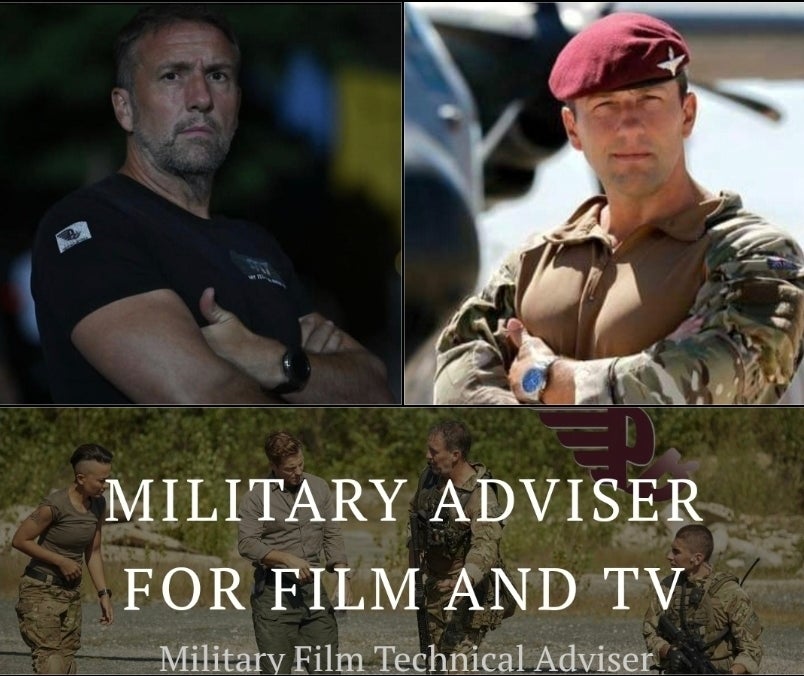
Paul’s extensive credits include, Pressure, Gladiator 2, The Ministry of Ungentlemanly Warfare, House of the Dragon, The Day of the Jackal, The Agency, Slow Horses, The Beekeeper, Strike Back, 1917, Jason Bourne, Vanity Fair and War and Peace. Paul is also closely involved with the video game industry, training motion-capture artists, most recently working on Sniper Elite 5 and Atom Fall.
He explains why having a technical military adviser on a production is so crucial for authenticity, cost-efficiency – and safety.
Pre, pre-production
Ideally, I should be brought on to a production as early as possible, to advise on the script early being the most cost-efficient starting point. Having a strong military and industry background helps me quickly identify the production’s requirements and provide workable solutions to problems early on with the minimum of fuss.
Pre-production
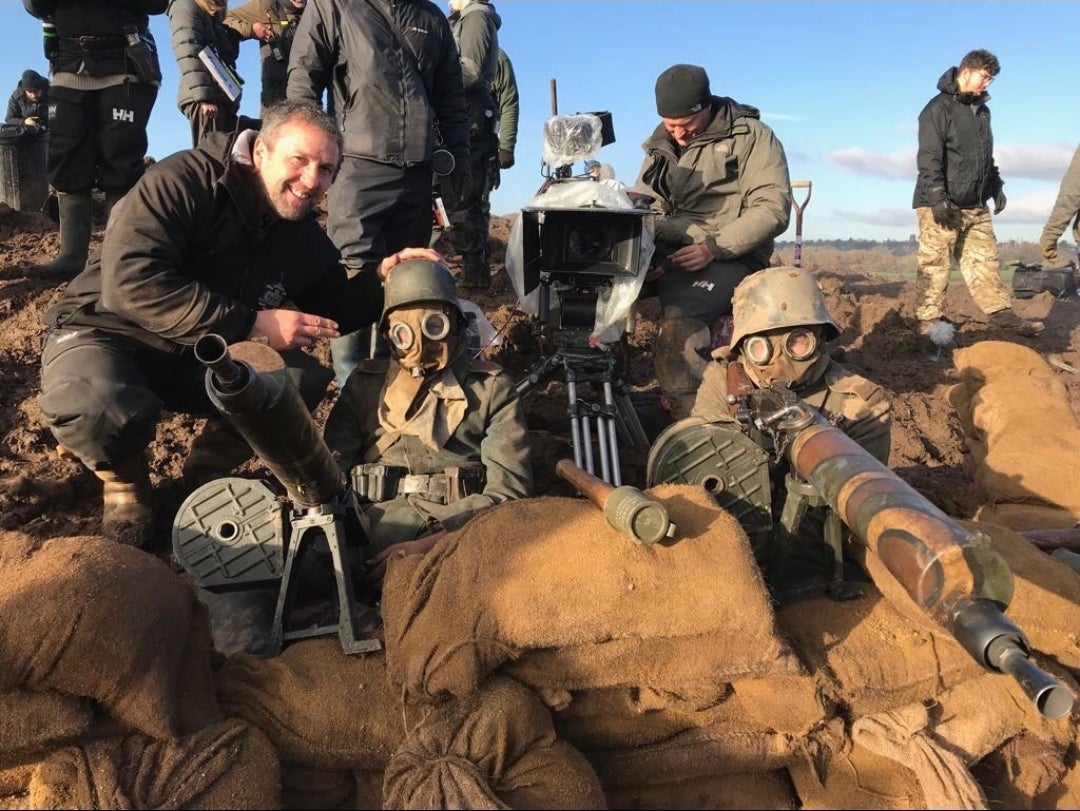
Once the script is complete, I will add further notes to help the action run realistically in the shortest possible time. For example, on House of the Dragon I was called in early to help establish the tactics for all the major battles where I worked closely with all departments; from AD, stunts, costume, props, FX and armoury.
For historical or more modern military scenes I produce production bibles detailing specific uniform, equipment and weapons details early, which make life easier for each department during prep. Again, this saves time and money. A competent military adviser will know where to look, whereas HODs nots as familiar with military jargon might find it harder to search for the correct item – and Google is not always your friend.
Boot camps
I will formulate a training programme and instructions for a boot camp along with risk assessments. The risk assessment will involve every aspect of the training from the area being used and the weather conditions to the equipment needed to meet the task.
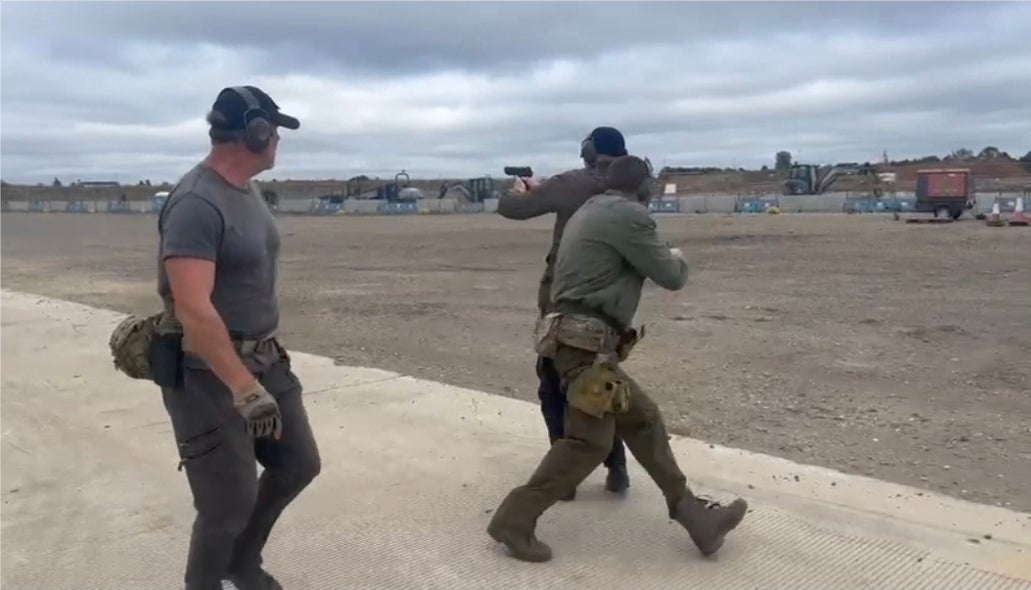
The boot camp will fully prepare the cast, stunts and supporting artists on how to move tactically, and how to use weapons realistically and safely for the period being portrayed, in a safe, controlled environment.
When required I will arrange a one-on-one fitness and weapons safety programme to physically and mentally prepare the cast for their roles.
On the Day of the Jackal, I provided an intense surveillance and sniper bootcamp, providing its main cast with an authentic insight into the role of a surveillance operator which helped them form their characters during filming; as explained by Eddie Redmayne on the Graham Norton Show.
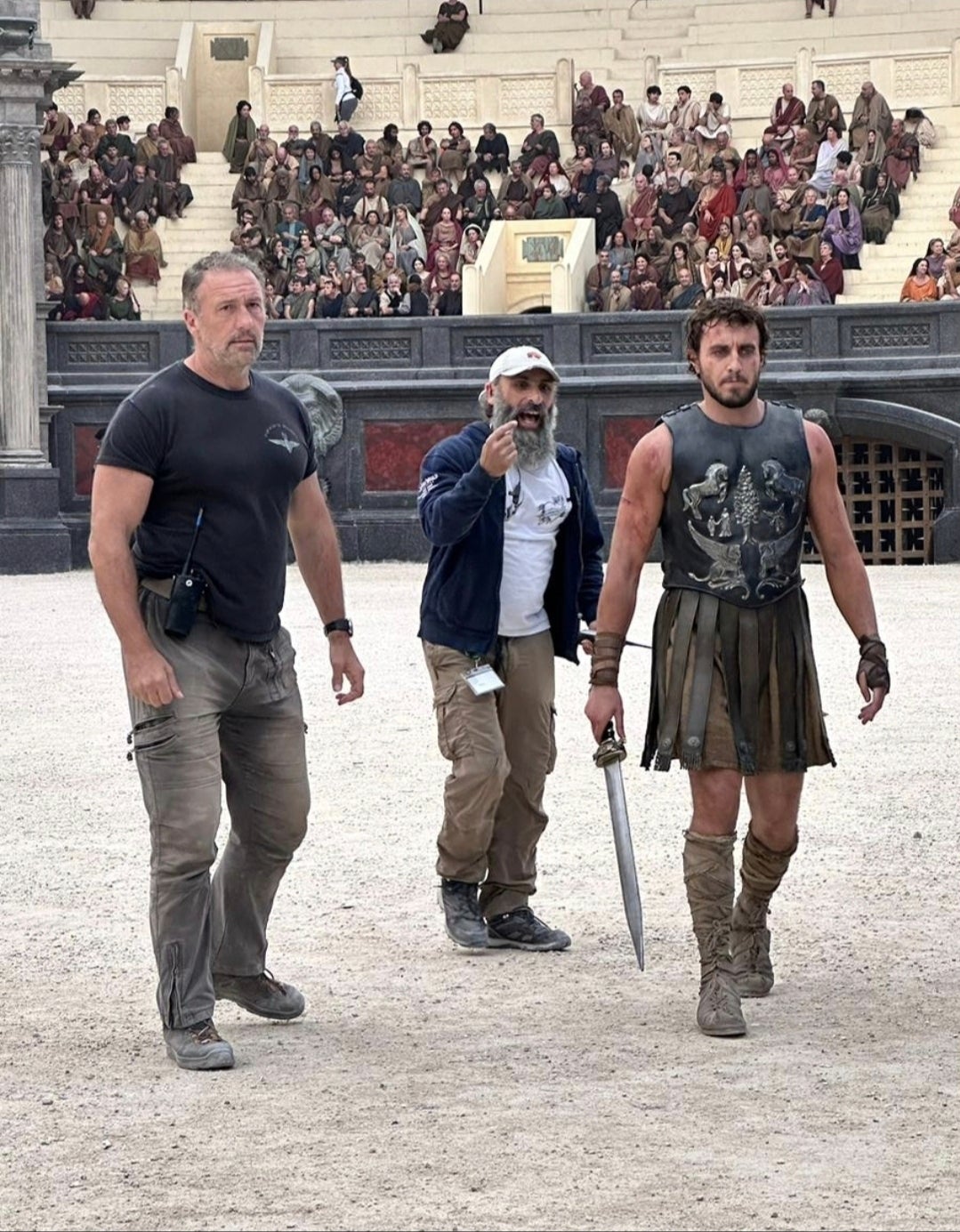
Before any boot camps start, I run a selection programme for the supporting artists to ensure we get the right people who are physically and mentally robust before investing time and money in training. Some productions require me to train extras in different countries. On Gladiator 2 I trained in total 2000 extras to cover all locations, so providing such vetting before training starts is essential to help avoid any costly litigation cases, as I can identify anyone with any health issues in advance.
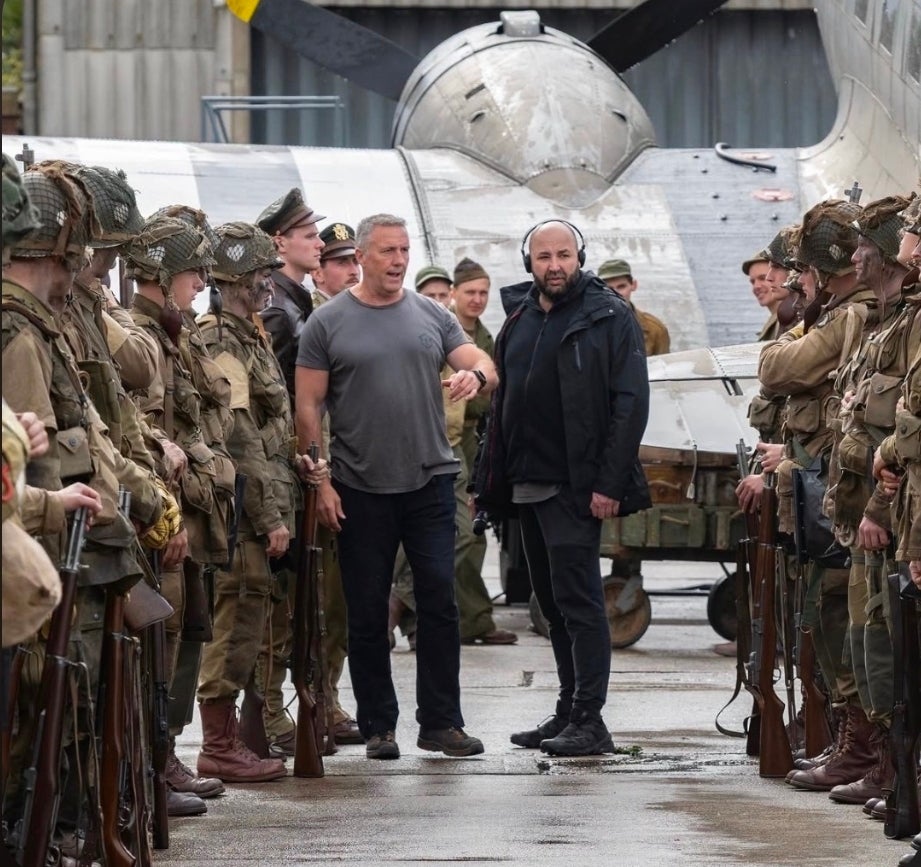
For the World War 2 epic Pressure, I trained the cast and supporting artists on how to realistically and safely exit a WW2 Higgins boats used for the Omaha beach scenes and the actions used by Paratroopers when jumping from Dekota aircraft. Without such training the scenes would have been impossible to perform and just one untrained person would have ruined the shot.
Last-minute training and specialist performers
There are times when last-minute training is required or productions simply don’t have the budget, so I have lists of specialist performers I have personally trained in the past whom I can call on for specific roles. The only requirement is running a few minute long ‘remind-and-revise” training session just before the scenes take place, which can save a lot of heartache for the crowd 2nd AD.

Filming
My primary role is to support the production and to provide realistic solutions for the director from a military perspective. Even when artistic licence is required there’s always a plausible solution to still make it as authentic and as close to reality as possible. However, you can only offer advice – you cannot demand it as it’s not your trainset. Forget that, and a career as a military adviser will be short lived. I will also ensure large battles are coordinated as planned during prep.
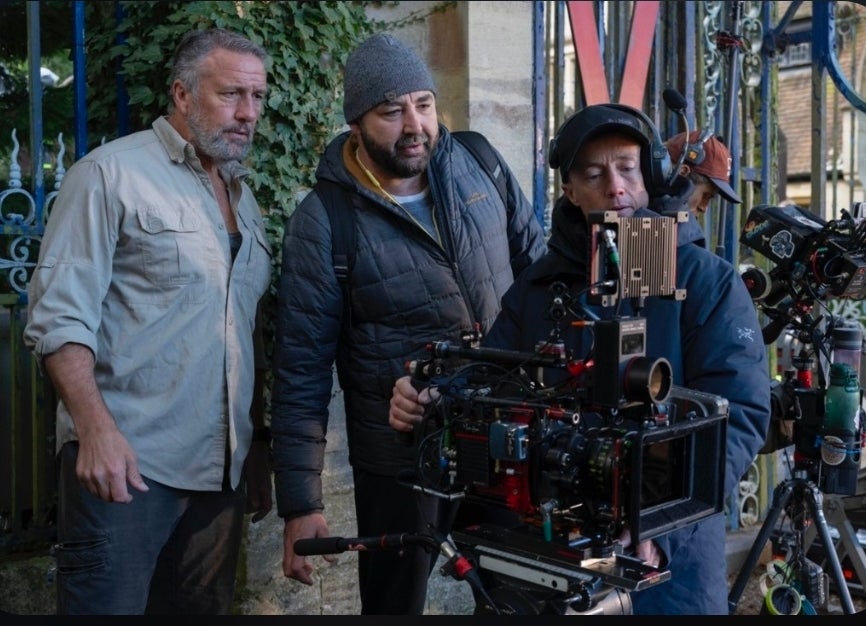
All departments will require my help at every stage of the filming process. This can range from advice on issuing the cast and extras with the right weapons and equipment for their roles, to keeping an eye on the morale and welfare of the extras, which is equally important if a production has invested time and money in training them all.
Post-production
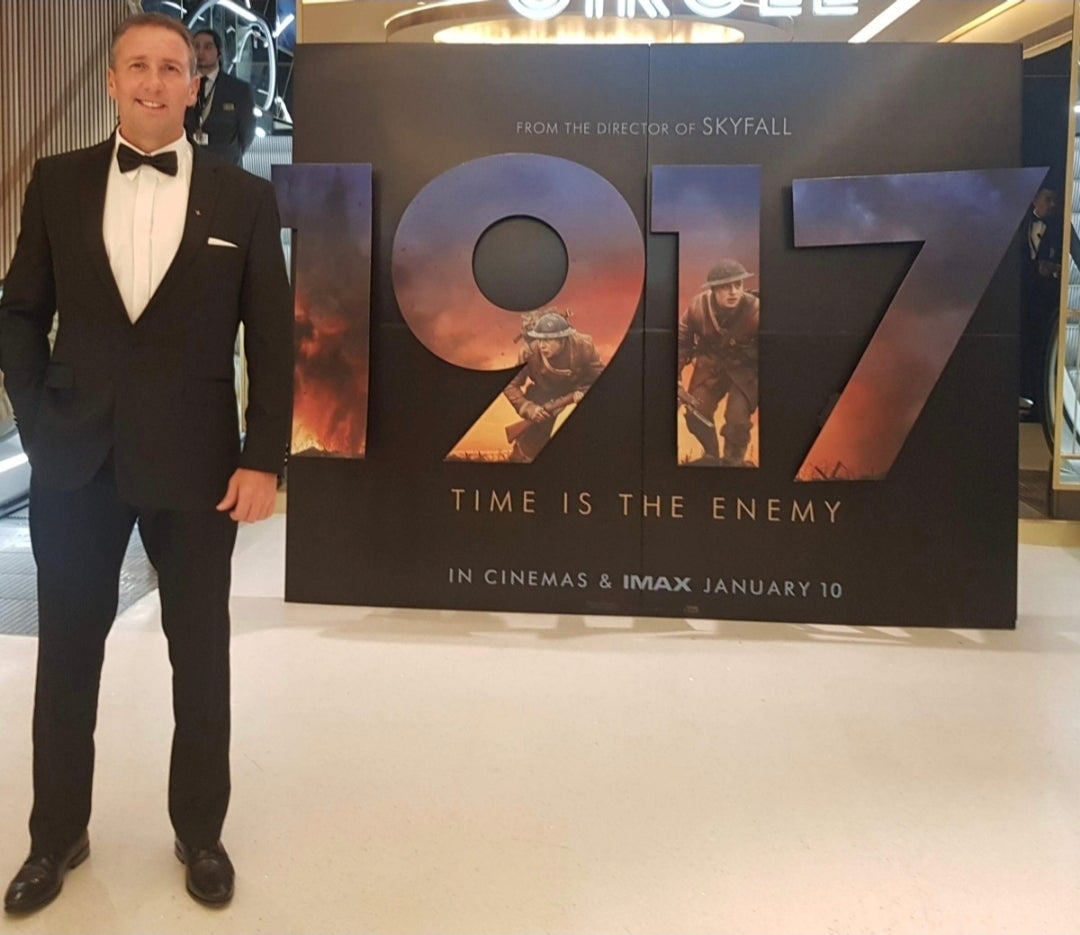
Once wrapped, my job does not stop. I will be asked further questions from the FX and sound departments, review the cut, and attend ADR [automated dialogue replacement] sessions. At times, I am also asked to check the theatrical poster to make sure there are no mistakes.
In summary
Get a military advisor in early. We are a good spend which pays dividends in the long run.
There is a huge amount of responsibly on the shoulders of a military adviser and you need to have a thick skin to survive. You can be savaged for the smallest of details, in particular by military re-enactment or history buffs who don’t fully understand we are making drama, not a documentary.
Bad beret-shaping is a classic example which, if not done correctly, can generate negative publicity towards a show with any military theme. It takes seconds to get right if addressed before shooting, but even when it’s not your fault and you were only brought in on the day of the shoot without any other input, viewers will not understand and will just say, “who was the military adviser on that?”
With many thanks to Paul Biddiss for his expert knowledge and insight.

All images supplied by Paul Biddiss.
Share this Article