

Five years, 180 projects, and the showcase for a Welsh way of doing RD&I

By Professor Sara Pepper OBE and Professor Justin Lewis, Media Cymru
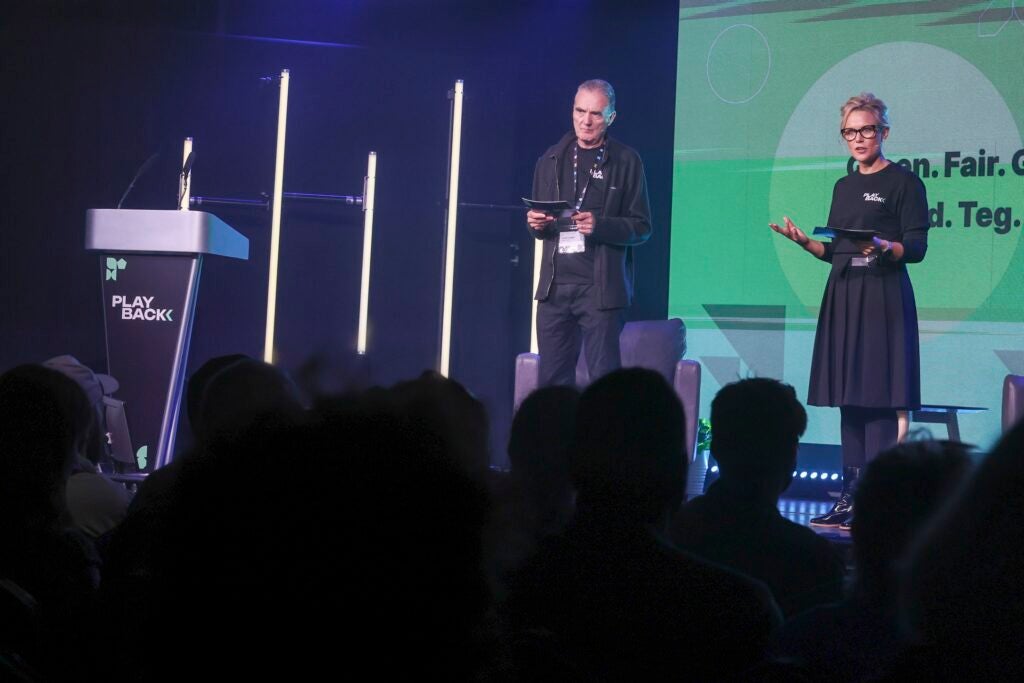
Five years ago, we set ourselves a mission that felt ambitious, and perhaps a little more daunting than we let on at the time: to make Wales a global hub for media innovation. This week, at our two-day festival of innovation, PLAYBACK, we’ve had the chance to showcase what we’ve created alongside hundreds of Welsh creatives.
We’ve shown, fairly definitively, that investment in research, development and innovation (RD&I) in the creative industries reaps tangible and impressive economic returns. Media Cymru is increasingly seen as a global leader when it comes to developing a creative industries innovation ecosystem, a model which many others around the world are keen to emulate. But we’re aware of how precarious success in the creative industries can be, so there is always more work to be done.
To date, Media Cymru has backed 180 RD&I projects, engaged more than 1,000 creative innovators, and trained over 1,000 industry professionals, 100 of whom have gone on to new jobs. Supported businesses have created 300 additional jobs, tripled their rate of intellectual property (IP) creation, and attracted £1.2m in further funding. More than 60 new products, services and experiences born from that R&D have already reached market.
We’ve seen the number of new media businesses in the Cardiff Capital Region grow by 84% since 2017 – more than twice the rate of any other UK city – pushing Cardiff into the UK’s top three cities for media production.
PLAYBACK is where we reveal what sits behind those figures, what it took, the many new products, service and experiences and what’s at stake should if there’s no support to protect the competitive advantage and knowledge Media Cymru has helped to build.
Some of the numbers
We’ve been pleased at just how impactful Media Cymru has been to businesses’ bottom line. We knew that a focus on RD&I would ultimately help the sector, but it is inherently risky and return is never guaranteed. So, the level of return on investment that we have seen has been gratifying, proving the case for investing in innovation as a way to stimulate economic growth and help media and creative businesses build for the future.
Our data shows that for every £1 that Media Cymru awarded in grant funding, more than £15 in additional turnover was created by those businesses, when compared to a non-Media Cymru funded company. Our preliminary research is also showing a return in terms of GVA of more than £10 for every £1 invested, which in essence, leads to more value in the economy being delivered by the creative industries.
Why the model worked
Media Cymru was always about more than simply funding businesses to do RD&I. It was designed to provide a comprehensive package of wraparound support to increase the likelihood of those innovations succeeding. That wraparound support included training, research expertise, networking opportunities, global connections, business development assistance and commercialisation activities, all designed to help organisations turn innovative ideas into sustainable growth.
Most creative companies are small businesses – 95% have ten or fewer employees – who have little or no capacity for R&D, so Media Cymru effectively became their R&D department, which proved to be very effective.
Our own research has shown us, perhaps counterintuitively, that the most innovation-ready companies are those that have failed most often. The most overwhelming predictor of success is how many times you have failed – what that tells you is that companies that can fail fast, learn from it and move on, are more likely to succeed than companies that persist with an idea which may not pan out.

Not one kind of innovation, but many
The great thing with being able to fund 180 RD&I projects is that there has been a wide range of returns. For some, it is a way of working that unlocks efficiencies and allows them to respond to a fast-moving digital environment; for others, it has been transformative in terms of the way they do business. We have tracked, to date, more than 60 new products, services and experiences going to market or to end users, and behind each of these is a creative business answering a need or filling a gap.
Four pillars, one philosophy
Media Cymru – and its predecessor, Clwstwr – has always been committed to inclusive and sustainable growth. As such, the Fair, Green, Global and Growth pillars capture a lot of what we do. The key to Media Cymru’s approach is that we are interested in the economic, social and cultural value of creativity, and see all of those things as equally important. So, while we are a place-based economic growth programme, we have not supported growth at any cost. All projects have had to prove that they are innovating responsibly, thinking about how they could lead to the world being a better place, and how they are enriching people’s lives.
From ‘show and go’ to ‘grow our own’
One of our key goals was to increase the value of IP held in Wales, so it’s good to report that Media Cymru-supported companies have tripled their IP creation rates. Our strategy was to help the sector move from ‘show and go’ productions to ‘grow our own’. This means that, rather than primarily creating content and assets for others to own, often based outside Wales or the UK, we are better positioned to capture and maximise the value of our work by creating, owning and exploiting the IP here in Wales.
It takes more time to develop your IP, and while the rewards are greater, so is the investment, and most of our companies don’t have the headroom for that without support.
A model worth copying, carefully
One thing we’ve learned is the value of IP and Media Cymru’s model is very valuable. As Media Cymru is led by a university, these learnings and findings will be collated and published as best practice for stimulating innovation in the creative industries. One clear message from us is that adopting a standard, one-size-fits-all approach to R&D – one which has been developed by other sectors, such as science and manufacturing – won’t work for the creative sector. It has to be a tailored intervention.
What’s still unfinished
We know from our successful Innovation Pipeline that interest in RD&I funding has only grown. We were only able to fund less than 20% of the applications we received across the five years. The sector needs a clear, long-term strategy and multiyear commitments from policymakers to support innovation funding in Wales, in order to sustain growth and keep pace with an ever-changing industry. This approach would also give the sector the confidence and stability needed to innovate and invest longer term.
You can’t underestimate the work involved in bringing together and energising a consortium for whom this is just one part of their day job. No matter how committed the ecosystem may be to the cause of RD&I, there will always be competing priorities, and for many, they have businesses to run. That is why Cardiff University leading this innovation programme has worked particularly well – RD&I is part of our DNA, as is convening and collaborating.
The value of what we have built, 180 RD&I projects and an innovation ecosystem for the creative industries, will continue to be apparent in the next few years, with obvious spillovers into other sectors. But without an organisation responsible for keeping the ecosystem together, learning and growing, it is inevitable that the economic advantage gained through innovation practice will slow.
What PLAYBACK is really showing
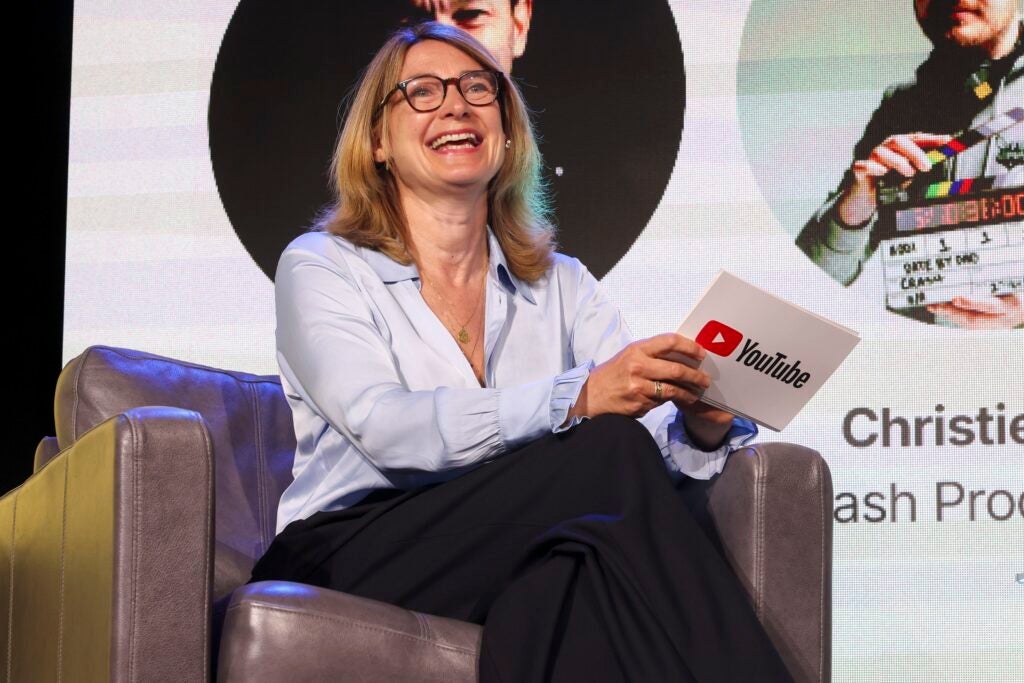
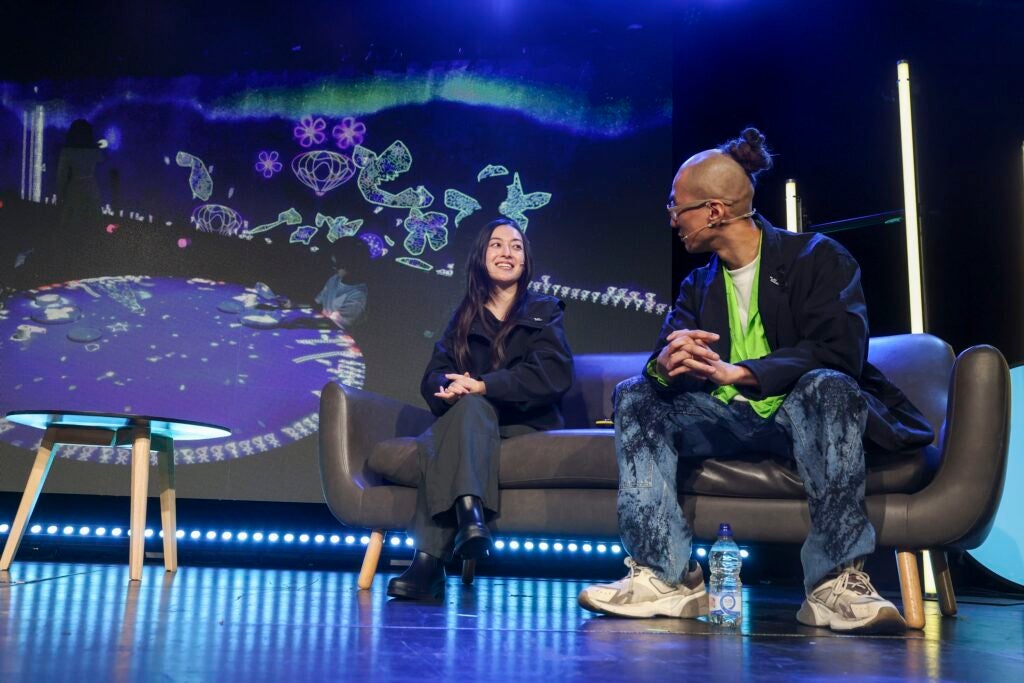
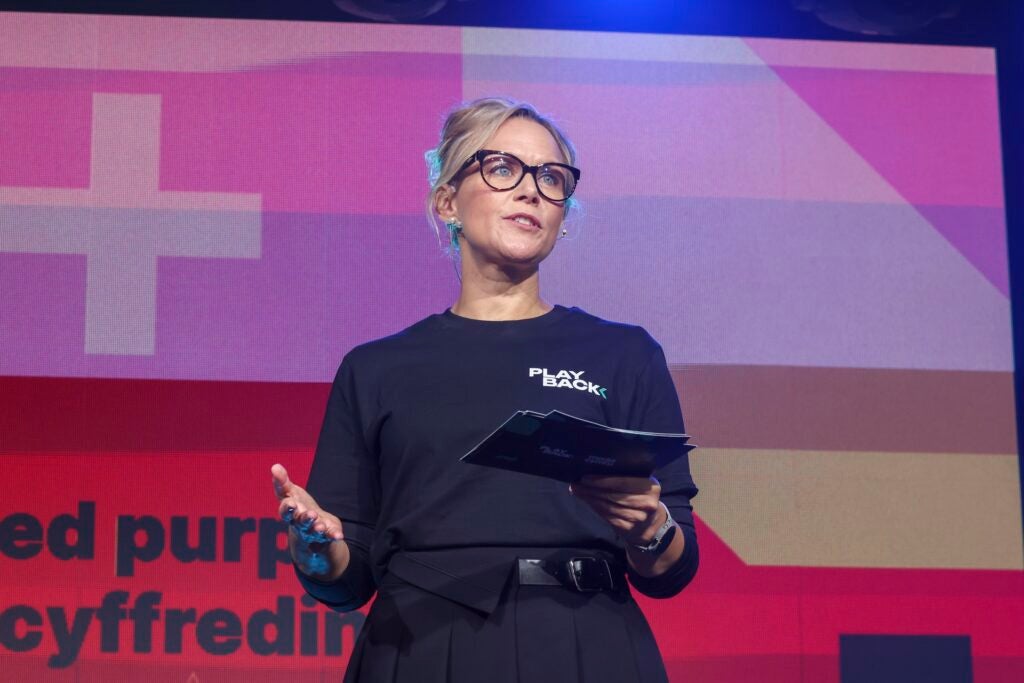
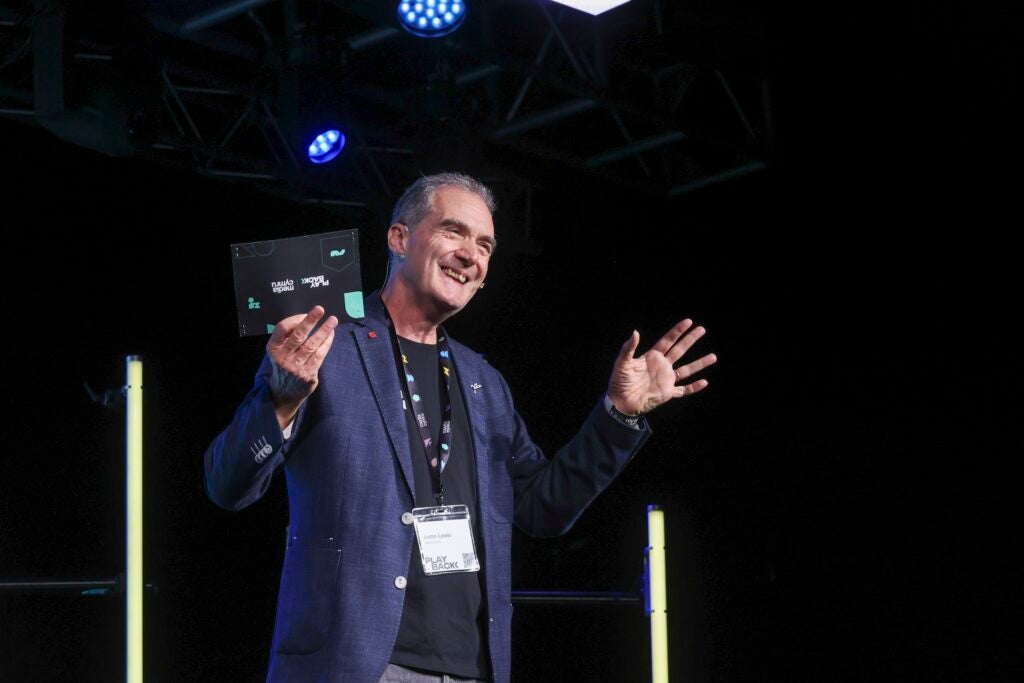
PLAYBACK has brought those interested in media innovation from around the UK and the world to Cardiff. It’s a deep dive into an interconnected ecosystem of innovators across the media industry and its supply chain, who are ready to do business. We hope that the festival will lead to increased connectivity and opportunities for Welsh creative businesses, as well as showcasing what is on offer here in Cardiff.
While Wales’ reputation for media innovation has grown prodigiously, it is still a developing story that needs to be repeatedly told, so that innovation moves from the periphery to the centre of considerations.
We set out to prove that Wales could become a global hub for media innovation. The evidence from 180 projects says we were right to try. The question now is whether Wales chooses to build on it.
With many thanks to Professor Sara Pepper OBE and Professor Justin Lewis from Media Cymru for this feature.
Share this Article