


Your Expert Guide to working with a composer

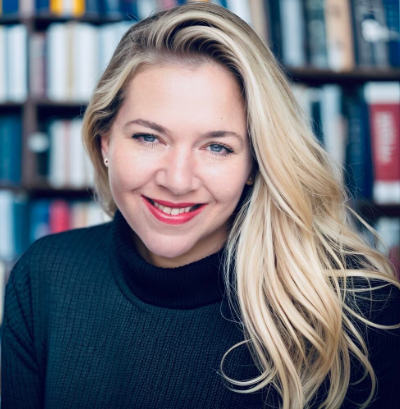
In the world of Film and Television, the right note can make or break a scene. For over 20 years, DNA music Limited has been the invisible hand guiding these melodies. We sat down with founder and composer agent Amanda Street to discuss how they bridge the gap between creative vision and technical delivery.
Q: Many people understand what an agent does, but what does it mean to be a “Composer Agent” in the modern film and television industry?
DNA: It’s about being a creative matchmaker. At DNA we represent an international roster of talent, from BAFTA and EMMY nominated composers like Anne Nikitin to versatile multi instrumentalists and songwriters like 3 x Grammy Winner Jimmy Webb (Wichita Lineman) for film and television scoring.
As agents, we don’t just try to find jobs; we manage the whole process, working with the clients and composer. This includes creating marketing materials, negotiating contracts, score supervision (score management), handling budgets, and ensuring that the Composer’s only focus is fulfilling the director’s brief.
We ensure composers receive timely payments and deals are structured to protect their rights. We negotiate the Composer’s commissioning fee and the complex backend earnings, including public performance, mechanical, and sync royalties. We track productions and maintain relationships with producers, directors, production companies, streamers and music supervisors. Agents often provide creative support and a “fresh pair of ears,” offering honest feedback on music and advice on navigating stressful production schedules to both composer and client.
Q: You also provide “Music Supervision” – how does that service differ from agency work?
DNA: While agency work is about the composer, music supervision is about the production. This is a small part of what we do as an agency, but we have provided the following services below to producers. We also work with numerous music supervisors on productions.
Creative Sync: Finding the perfect existing track for a specific scene whilst considering the source music budget. For some fully controlled music we can act as a “one-stop shop” for clearance.
Rights & Clearance: Handling the complex legal paperwork to license music globally. Liaising with music publishers, record companies and independent labels.
On-set Supervision: Hiring musicians, organising pre-records, playback and coach management for actors.
Score Equity: We can even help finance the score, closing financial gaps during late pre production or preventing cash-flow issues in post.
Q: You’ve worked on major Netflix hits and British cult classics. What is the DNA “blueprint” for a successful project?
DNA: Early involvement. We love being involved at the script stage when we can. Whether it’s providing actor music tuition, on-set music direction, or score budgeting, being there from day one allows us to position the right composer and weave the music into the very fabric of the story. Our primary aim is to protect the director’s creative vision while making the producer’s life easy. Not to mention creating incredible scores!
Q: What advice do you have for directors who are struggling to find “their” sound?
DNA: Trust the process. We provide a personal service that spans the whole life of a production. From sourcing the right composer to final score delivery and soundtrack distribution and awards submission. We handle the logistics so that the music remains, as one of our clients put it, “in safe hands.” A good agent can save a producer spending weeks searching for a composer by recommending a shortlist of perfectly suited composers based on a few keywords about the production’s musical needs. The right composer will explore and create a palette of music with the director to find “their” sound. It’s a creative collaboration and a rewarding one.
Q: What do you look for in a composer?
DNA: Obviously talent but there are a few factors we also consider before representing a composer. A track record with credits is advantageous because we will be pitching the composer to clients and credits help. For instance, a producer working on a multi-episodic series may feel happier if a composer has scored a few series. This tells them the composer can cope with the sometimes-insane deadlines and the amount of music to be written and recorded. Someone who is personable, articulate and a joy to work with also helps! That said, we have taken on very talented Composers with practically no credits, but those composers are proactive and working their way up, whether by assisting established composers or by networking themselves. A professional website and showreel presentation are also a must.
Q: What is the role of a Composer?
DNA: The role of a composer is highly skilled. Writing music to picture is an art form.
When a composer is hired to score a production they are sometimes sent the scripts to read, especially if the film or project includes in-camera music. For instance, one of our composers wrote a 12-minute opera to be performed in a scene of Dangerous Liaisons, so preparation was imperative. The composer worked across all the in-camera music as well as the score.
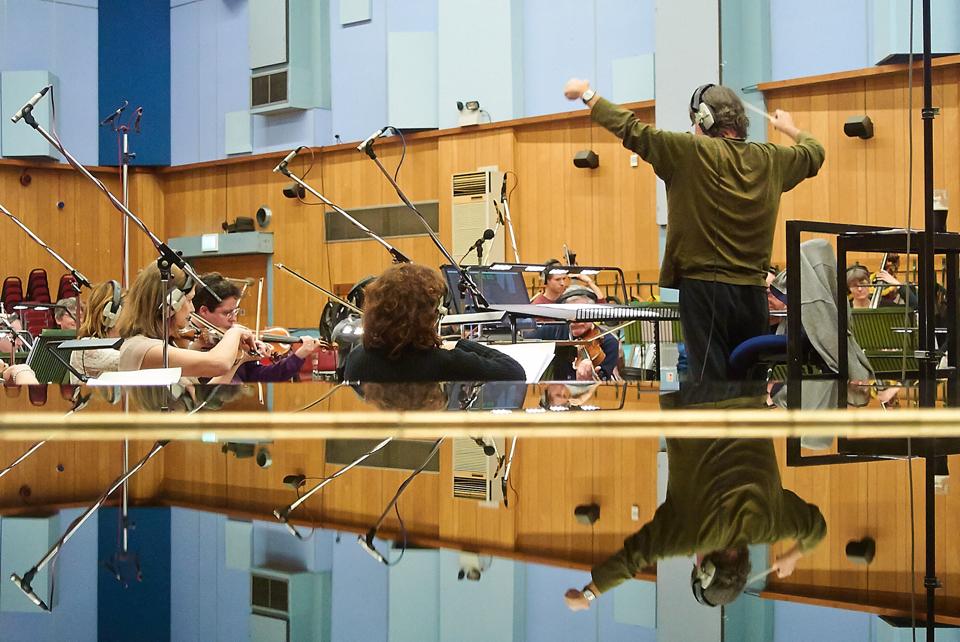
However, the composer’s journey usually starts at picture-lock and the ‘spotting session’ which is a meeting between the director (and producers), where they will run through the whole film and pinpoint where the music should come in and out via time-code, and what sort of adjectives can be written down to give the composer an idea of the director’s creative vision for the score. For example, the director may want the music to come in when the actor is at the bottom of the staircase and stops when he slams the front door. He might say he wants the music to be gentle and intimate rather than overpowering and dramatic; that sort of thing. Once the spotting session has been completed, the composer will go away and start writing the music score, scene by scene and logging the score by reel (as it used to be). Track one would be 1m01 and so on. Once the synth score has been written, a music review will take place, and the director and producer will say whether they’re happy or want revisions or tweaks. Once the score is approved, the composer will then record with live players (if the budget permits!). If deadlines are tight, spotting sessions sometimes don’t happen at all and a composer is sent a cut of an episode or the film to feed the music into, but this is obviously not an ideal process as it can result in a lot of music being rewritten and lots of changes.
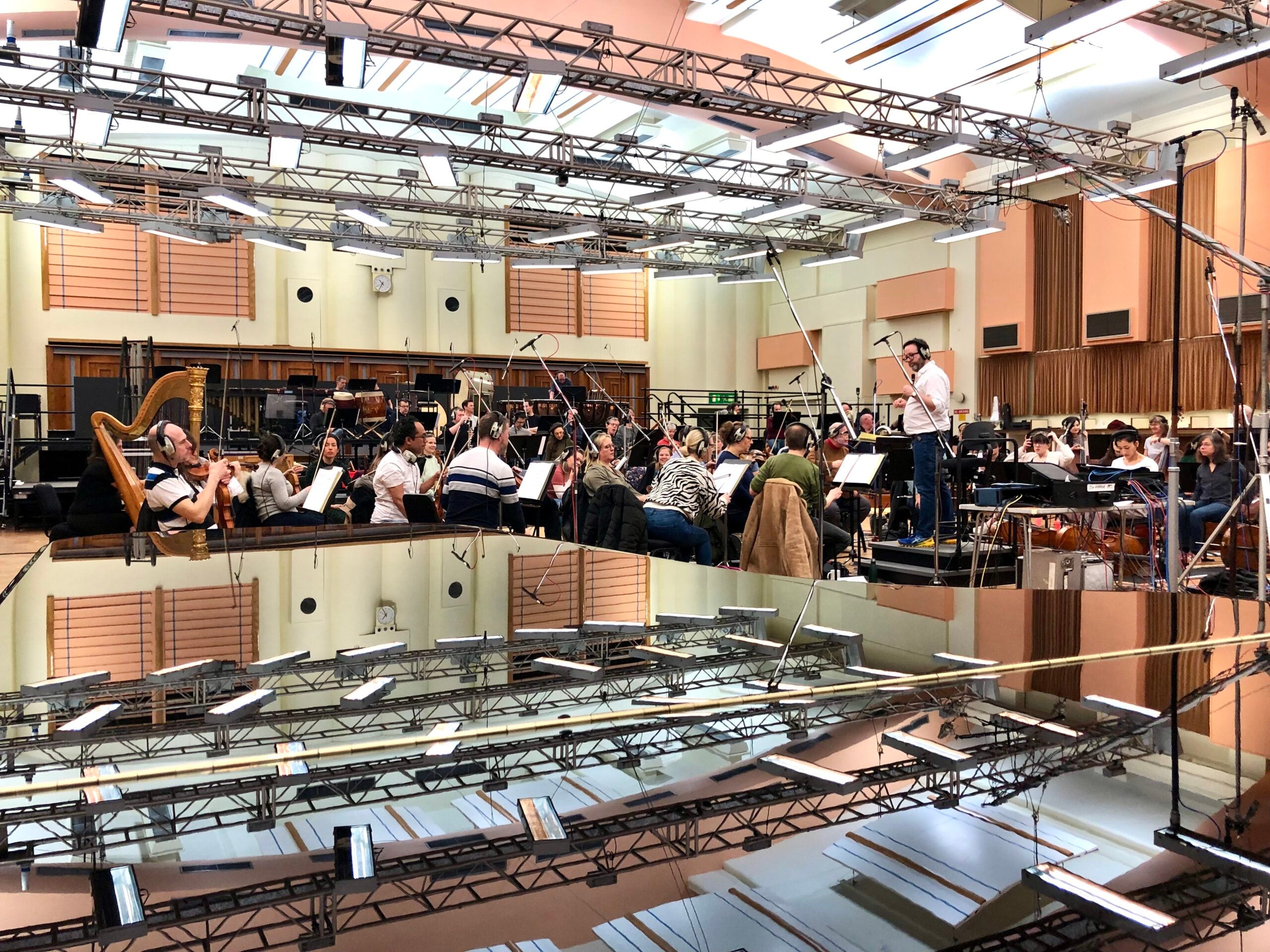
As agents we also handle score management when a composer requests us to, and this includes running the score budget, booking studios and engineers and liaising with orchestrators, music contractors (often called ‘fixers’) and sometimes directly with musicians or vocalists. Once the score has been recorded, it is then mixed and delivered to the client. We put together cue sheets, collate Musician Union forms, any third-party contributor agreements and provide the delivery paperwork to the client.
The role of a composer is extremely important in setting the scene and mood for a production and can sometimes even help actors’ performances! You only must think about some of the memorable themes of our time to realise how vital the music is. Where would Jaws be without John Williams’ score? Would Countdown be as memorable without Alan Hawkshaw’s clock theme? Even so, it’s just as important that the score doesn’t overpower the storytelling; and a good score will not distract from or overwhelm the performances or the scene.
A soundtrack album release will also strengthen a production’s marketing assets. Furthermore, should the score win awards, these accolades provide valuable prestige for both the composer’s career and the production itself.
Q: What makes you different to other Composer Agencies?
DNA: At DNA, we are intentional about keeping our roster curated and focused. By maintaining a select group of talent, we ensure every composer receives the full weight of our resources and dedication. We don’t believe in ‘template’ suggestions; because we know our composers’ music and characters intimately, we can immediately identify the perfect match for a client’s vision. On our roster, no two composers sound alike. We choose our talent specifically for their distinct strengths and unique sonic identities, ensuring a diverse range of original voices for every project.
Beyond the music, our boutique structure allows us to act as agile, full-service partners rather than just a booking office. We provide a level of senior-led continuity that large agencies often lack; at DNA, the same experts including myself and my colleague Nicola Fletcher who pitch the talent, are the same ones who oversee the project to completion. This hands-on approach means we are deeply invested in the long-term development of our composers’ careers, offering a proactive style of management that focuses on nurturing talent rather than just harvesting it. Whether we are navigating complex delivery deadlines for a global streamer or tailoring a recording strategy for a unique immersive experience, our clients benefit from direct access to leadership and a bespoke flexibility that puts the production’s needs first.
Q: Tell us a bit about DNA and your achievements?
DNA: We are a successful boutique talent agency (established in 2003) representing award winning TV and film composers and songwriters. Running for over 20 years, we are a specialist provider of music services with a strong reputation for reliability and personal service. We are a trusted partner, working on projects for Netflix, BBC, Sky, ITV, C4, Apple TV+, and Disney, to name but a few.
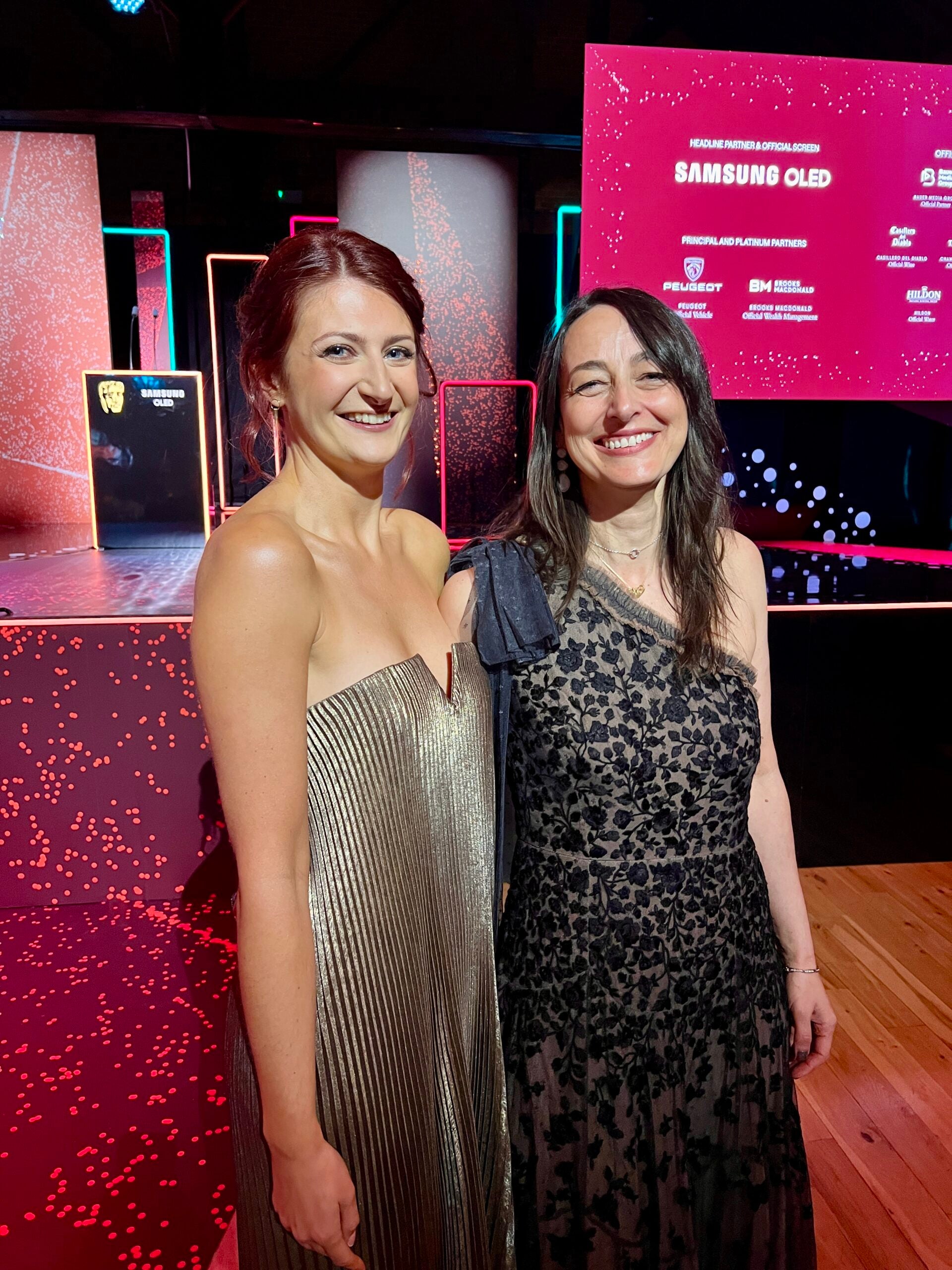
Recent accolades include two BAFTA TV Craft Award nominations for Best Original Music Score – one for Sophy Purnell’s score for Moon: Nature’s Secret Force and one for Anne Nikitin’s score on the multi-award-winning Pangolin: Kulu’s Journey (representing two of the four category nominees). Anne has also received an EMMY nomination for Best Score Factual and won the Wildscreen Panda Award.
It’s difficult to summarise two decades of productions, but some of our recent work includes the Netflix cult hit series Unchosen starring Molly Windsor; Agatha Christie’sThe Seven Dials Mystery for Netflix, and Moon the Tilda Swinton-narrated Sky documentary series mentioned above. Our work also extends to Lightroom’s immersive experience The Moonwalkers: A Journey with Tom Hanks (recorded at Abbey Road Studios with the man himself); Super Team Canada (Atomic Cartoons); Apple TV+’s Hijack starring Idris Elba, and the movies Northbound starring Bruce Dern, Hunter Parrish, and Julia Fox; Four Letters of Love starring Pierce Brosnan, Helena Bonham Carter, and Gabriel Byrne; Mothers’ Instinct starring Anne Hathaway and Jessica Chastain, and the animated movie The Casagrandes for Nickelodeon/Netflix.
Previous company credits include the 14-part hit Netflix series One Day starring Ambika Mod and Leo Woodall; 9 seasons (33 episodes) of ITV’s long-running detective series Lewis and Endeavour; the BBC mini-series The Pale Horse starring Rufus Sewell and Mrs Wilson starring Ruth Wilson; the 8-part drama series Dangerous Liaisons for Starz / Lionsgate; Our Universe narrated by Morgan Freeman for BBC/Netflix; Lost Cities with Albert Lin for Nat Geo/Disney; the docuseries Anatomy of Lies for Peacock and the hit docu-feature film American Animals starring Evan Peters for RAW/Film4. Our film credits include Scoop starring Rufus Sewell, Gillian Anderson, and Billie Piper; Mile 22 starring Mark Wahlberg; Black Site starring Michelle Monaghan and Jason Clarke; Rock’n’Rolla starring Gerard Butler, Thandiwe Newton, Tom Hardy, Mark Strong, and Idris Elba; Sky’s Four Kids and It starring Michael Caine; Little Birds starring Juno Temple; Blitz starring Jason Statham; The Sweeney starring Ray Winstone and Plan B; and Disney’s Shopgirl starring Steve Martin and Claire Danes – the very first production to run through DNA.

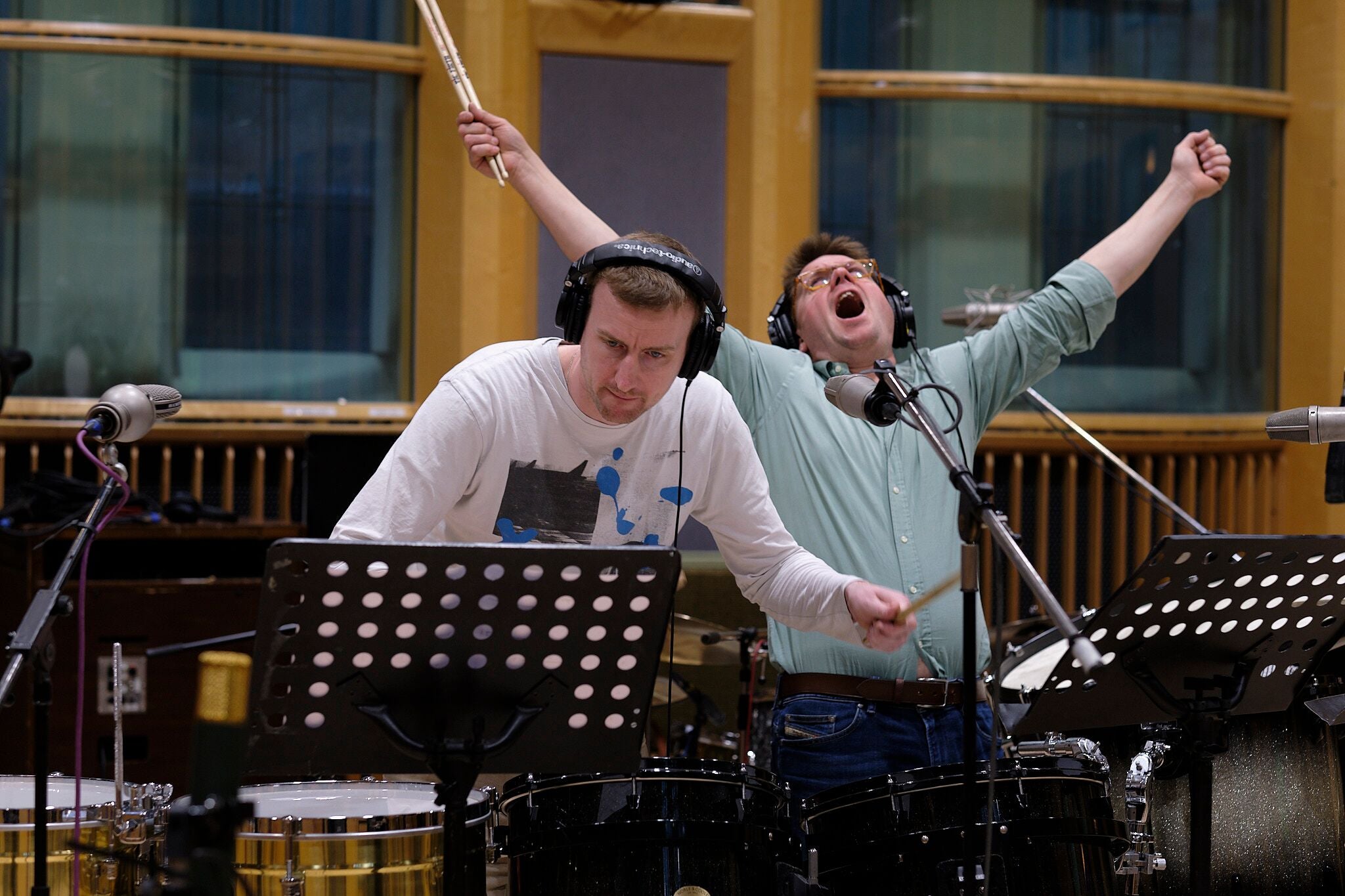
Many thanks to Amanda Street from DNA Music Ltd for contributing to this guide for The Knowledge. Photos by Tim Shipston.
Share this Article